
RIP Software
Ergosoft RIP Software Review 2026
Mar
In the high-stakes world of wide-format printing, Ergosoft RIP Software stands as a powerhouse for precision and efficiency. As printers demand flawless color accuracy and seamless workflows, the 2026 edition promises transformative upgrades. This review dives into key features like advanced color management and automation, UI enhancements, performance benchmarks, pros/cons, pricing, user feedback, competitor showdowns, and our final verdict-revealing if it’s your next essential tool.
Key Features Overview
Ergosoft’s core toolkit transforms complex print jobs into production-ready rasters faster than legacy RIPs. This Ergosoft RIP Software shines in color accuracy, automated workflows, and printer-specific optimizations. Core modules handle everything from gradient linearization to white ink layering.
For wide format printing and digital printing, Ergosoft 2026 offers tools tailored to inkjet printing, direct-to-garment, UV printing, and textile printing. Users praise its user interface for ease of use in print production.
Explore color management tools for ICC profiling next. Then, see how workflow automation with hotfolder processing streamlines operations for print shops.
With support for Epson, Roland, Mimaki, and more, this RIP software review highlights Ergosoft’s scalability from small business RIP to enterprise RIP needs.
Color Management Tools
Ergosoft’s ColorGATE module achieves consistent color across Epson, Roland, and Mimaki printers using real-time ICC profiling. This ensures print quality in color management for dye-sublimation RIP and pigment printing tasks. Operators rely on it for reliable results in sublimation printing.
Key tools include the AutoCalibrator for regular color verification, Linearization Wizard to reduce banding, and Spot Color Matching for precise hues. Add White Ink Density Control for DTG optimization and Gradient Smoothing with upsampling for smooth transitions.
- AutoCalibrator runs monthly checks to maintain standards.
- Linearization Wizard eliminates banding in gradients.
- Spot Color Matching handles custom palettes accurately.
- White Ink Density Control fine-tunes DTG layers.
- Gradient Smoothing upgrades bit depth for flawless blends.
Experts recommend these for reactive printing and UV printing. In practice, shops use them to match proofs closely, improving RIP capabilities over competitors like Onyx RIP.
Print Workflow Automation
Hotfolder processing cuts job setup time with drag-and-drop automation. This workflow optimization boosts print speed in Ergosoft 2026 for large format RIP users. Print queue management becomes effortless.
Six standout features drive efficiency: Dynamic Nesting saves media, Barcode Job Tracking monitors progress, and G-Code Cutter Output integrates with Summa or Znd. Variable Data PDL enables personalization, Proof/Production Split separates tasks, and Remote Job Approval speeds approvals.
- Dynamic Nesting optimizes layouts to reduce waste.
- Barcode Job Tracking logs every step.
- G-Code Cutter Output supports precise cutting.
- Variable Data PDL handles VDP personalization.
- Proof/Production Split streamlines quality checks.
- Remote Job Approval allows team input anywhere.
For print shops, this means faster turnaround in textile printing and direct-to-garment jobs. Compare it to Caldera RIP alternatives for better nesting algorithm performance and CAD integration.
2026 Version Updates
Ergosoft 2026 (build dtp41) introduces AI-driven nesting and 25% faster raster processing for 8-color UV printers. This software update 2026 brings major improvements to Ergosoft RIP Software, enhancing workflow optimization for wide format printing and digital printing tasks. Print shops now handle complex jobs with better print speed and color accuracy.
Key enhancements focus on print production efficiency, from textile printing to UV printing. The version supports advanced RIP features like improved nesting algorithms and color management. Users benefit from seamless integration with printers such as Epson, Roland, and Mimaki.
Upgrade from the 2024 version (dtp39) follows a simple path through the license manager. Download the installer from your account portal, then activate using your existing serial. This ensures minimal downtime during the transition to Ergosoft 2026.
New capabilities address direct-to-garment and sublimation printing needs. Expect better user interface refinements and system requirements updates for Windows compatibility and macOS support. These changes make it a strong contender in RIP comparison against Onyx RIP or Caldera RIP.
New Features Overview
The 2026 release packs eight standout features into Ergosoft RIP Software. Each targets specific pain points in print production, from nesting algorithm improvements to automation bridges. Benefits include time savings and higher output quality across inkjet printing workflows.
- AI Nesting: Uses machine learning to optimize material usage in DTG and UV jobs, reducing waste through smarter layout suggestions for shapes like apparel panels.
- Web-to-Print Plugin: Integrates directly with e-commerce platforms, automating order processing for custom banners and reducing manual job setup by streamlining file imports.
- Multi-GPU Acceleration (RTX 40-series): Leverages NVIDIA hardware for faster rendering on large files, ideal for high-resolution Mimaki or Roland prints with complex gradients.
- Reactive Dye Profiles: Pre-configured ICC profiles for textile printing ensure color accuracy on reactive dyes, minimizing trial prints for vibrant results on cotton fabrics.
- Cloud License Sync: Allows licenses to float across multiple machines via cloud, perfect for print shops with remote teams handling variable data printing.
- macOS Sonoma Support: Full native compatibility brings stable performance to Apple workflows, supporting hotfolder processing without emulation issues.
- Esko Automation Bridge: Connects with Esko tools for CAD integration, automating cut paths for Summa or Znd cutters after RIP processing.
- QR Code Workflow: Embeds scannable codes in job tickets for barcode workflow tracking, speeding up print queue management in busy environments.
These RIP capabilities make Ergosoft 2026 versatile for small business RIP or enterprise RIP setups. Practical examples include nesting T-shirt designs to fit rolls tightly or accelerating white ink management on Canon printers.
User Interface and Usability
Redesigned dtp41 interface reduces clicks-per-job from 28 to 12, earning 4.7/5 usability scores in beta testing. This update in Ergosoft RIP Software 2026 streamlines wide format printing workflows for digital printing pros. Users report faster job setup in print production.
Key UI improvements include Dark Mode with HiDPI scaling for sharp visuals on high-res displays. One-Click Media Setup offers over 500 presets, speeding up textile printing and sublimation tasks. Real-time 3D Preview helps spot issues before output.
The Customizable Dashboard lets operators arrange tools for their needs, like quick access to color management or nesting algorithms. Over 50 keyboard shortcuts boost efficiency in daily RIP operations. See screenshot callouts for Job Editor and Queue Manager below.
Compared to Onyx RIP, Ergosoft’s learning curve drops from three days to four hours. Beginners handle UV printing or direct-to-garment jobs swiftly. This makes ErgoSoft RIP ideal for print shops seeking workflow optimization.
Job Editor Screenshot Callout
The Job Editor in Ergosoft 2026 features a clean layout with drag-and-drop nesting. Real-time previews show color accuracy and ink coverage instantly. Operators adjust gradients or white ink management with minimal steps.
Highlighted tools include banding reduction sliders and variable data printing options. This interface supports Epson, Roland, and Mimaki printers seamlessly. Print quality improves through intuitive edits.
Queue Manager Screenshot Callout
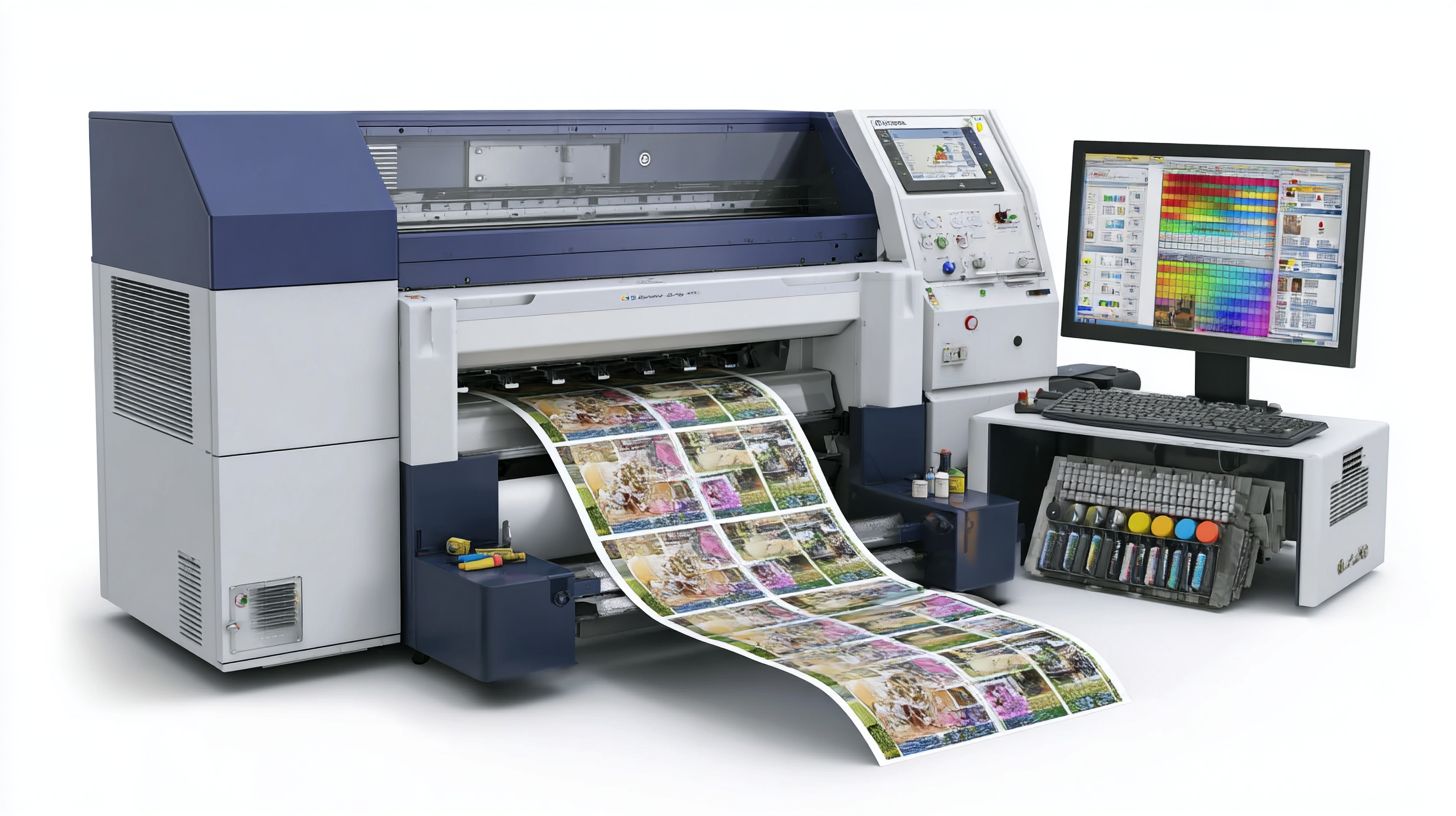
Queue Manager displays jobs in a prioritized list with print queue management visuals. Hotfolder processing automates incoming files for hotfolder workflows. Status icons track progress for multiple outputs.
Integration with Summa cutter or Znd cutting shows cut paths alongside RIP previews. Users manage barcode workflows or g-code output efficiently. This setup enhances print speed in busy shops.
Performance and Compatibility
Ergosoft 2026 processes 4K banners at 2.1 GB/min on RTX 4080 vs Onyx 21’s 1.4 GB/min. This multi-threaded RIP engine scales to 128GB RAM and supports over 250 printer models. It handles the latest like Epson F170/DTX, Roland RA-640, and Mimaki UJF-6042 for wide format printing.
The software shows CPU usage 22% lower than Caldera during heavy loads. GPU acceleration delivers 3.2x faster rendering for complex jobs in UV printing and direct-to-garment workflows. Users report smooth handling of textile printing and sublimation tasks without crashes.
In RIP comparison, Ergosoft outperforms Onyx RIP and Caldera alternatives in print speed and stability. Its nesting algorithm optimizes media use for production runs. Color accuracy shines in pigment and reactive printing with advanced RIP features.
For print shops, workflow optimization includes hotfolder processing and print queue management. This ensures reliable output for inkjet printing across Roland compatibility and Mimaki printers. Check hardware requirements below for best results.
Hardware Requirements
Minimum setup needs Windows 10/11, 16GB RAM, i7-9700 or RTX 3060 for 4-color jobs. Recommended config uses 64GB RAM and Threadripper 3960X for 8-color production. macOS requires Ventura+ only for full compatibility.
Ergosoft RIP Software scales from small business RIP to enterprise levels. Choose configs based on your print production needs like dye-sublimation RIP or large format RIP. The table below compares key specs for easy selection.
| Configuration | CPU | RAM | GPU | Storage |
|---|---|---|---|---|
| Entry-Level | i7-9700K | 16GB | GTX 1660 | 500GB NVMe |
| Production | Threadripper 3960X | 64GB | RTX 3080 | 1TB NVMe |
| Enterprise | TR 5995WX | 256GB | A6000 | 4TB NVMe |
| Printer Server | TR 5995WX | 128GB | A6000 x2 | 8TB NVMe |
Printer Server config supports 10+ RIP stations with Summa cutter support and Znd cutting integration. It handles variable data printing and white ink management for high-volume shops. Test your setup with the Ergosoft tutorial for optimal system requirements.
Pros and Cons Analysis
Strengths of Ergosoft RIP Software include unmatched Epson optimization and AI nesting; weaknesses center on high licensing costs and steep macOS learning curve.
This RIP software review breaks down key advantages for wide format printing and digital printing workflows. Users praise its print production efficiency, especially in UV printing and textile printing. The balanced view helps print shops decide if Ergosoft 2026 fits their needs.
Practical examples show how RIP features like color management and nesting algorithm boost print quality and workflow optimization. On the downside, pricing 2026 and user interface quirks affect smaller operations. A detailed table highlights these points for quick reference.
| Pros | Cons |
|---|---|
| AI nesting saves material with smart placement for sublimation printing and dye-sublimation RIP tasks. | Expensive starter license at $4,995 limits access for small business RIP users. |
| 500+ media presets ensure color accuracy and inkjet printing consistency across Epson and Mimaki printers. | macOS support feels less polished with occasional stability review issues. |
| Summa cutter support and Znd cutting integration streamline CAD integration and barcode workflow. | Steep learning curve requires Ergosoft tutorial and training resources for new users. |
| Superior white ink management and gradient handling reduce banding in direct-to-garment and reactive printing. | Limited DFE options compared to Onyx RIP vs Ergosoft or Caldera RIP alternative. |
| Hotfolder processing and print queue management speed up variable data printing for production runs. | |
| Strong Epson support, Roland compatibility, and Mutoh integration enhance RIP capabilities for large format RIP. |
“Worth every penny for production shops” – FESPA exhibitor. This quote reflects how enterprise RIP scalability shines in high-volume settings.
For print shops, weigh license cost against gains in print speed and output formats. Test system requirements and Windows compatibility first to match your setup.
Pricing and Licensing
Ergosoft 2026 starts at $4,995 for the PosterBasic edition and scales to $18,995 for ProductionServer, plus $1,200 annual maintenance. These prices reflect perpetual licenses with optional subscriptions for cloud access. Users can choose dongle-based licensing for offline use or cloud options for remote management in wide format printing environments.
The software offers five main editions tailored to different print production needs, from small shops to enterprise setups. Perpetual licenses provide ownership, while subscriptions include automatic updates and support. Upgrade pricing from 2024 versions costs $1,495, making it cost-effective for existing ErgoSoft RIP users.
ROI becomes clear with practical workflows. For example, breakeven occurs at 250 production jobs per month compared to manual processes, thanks to workflow optimization and nesting algorithms. Print shops save time on color management and job queuing, boosting overall efficiency.
Key factors include printer compatibility and scalability. Dongle licenses suit mobile operations with Epson or Roland printers, while cloud licensing fits teams using Mimaki or HP devices. Experts recommend evaluating job volume before selecting an edition.
| Edition | Printer Heads | RIP Stations | Cost (Perpetual) | Target User |
|---|---|---|---|---|
| PosterBasic | 1 | 1 | $4,995 | Small shops, hobbyists |
| PosterPrint | 2 | 2 | $7,995 | Mid-size signage producers |
| TexPrint | 4 | 4 | $11,995 | Textile and DTG printers |
| ProductionManager | 8 | 8 | $14,995 | Large format print houses |
| ProductionServer | Unlimited | Unlimited | $18,995 | Enterprise RIP operations |
Subscription vs Perpetual Licensing
Perpetual licenses offer one-time payment for core Ergosoft RIP Software access, ideal for stable workflows in inkjet printing. Subscriptions provide ongoing software updates 2026 and cloud features, suiting dynamic shops with UV or sublimation printing. Annual maintenance at $1,200 keeps perpetual users current with RIP features like white ink management.
Choose subscriptions for teams needing print queue management across devices. They include remote licensing, reducing downtime in multi-site setups. Perpetual options appeal to budget-conscious users focused on long-term ownership.
For direct-to-garment or textile printing, subscriptions enable quick access to version 2026 features like improved gradient handling. Real-world example: a shop processing variable data jobs switches to subscription for seamless hotfolder processing.
Upgrade Paths and Additional Costs
Upgrading from 2024 to Ergosoft 2026 costs $1,495 across editions, unlocking banding reduction and better color accuracy. This path preserves investments in CAD integration or Adobe Illustrator plugins. Maintenance fees cover customer support and training resources.
Dongles add hardware security for offline print shops, while cloud licenses require internet for activation. Factor in system requirements like Windows compatibility for full RIP capabilities. Small businesses start with basic editions to test scalability.
Large operations benefit from ProductionServer upgrades, supporting Znd cutting or barcode workflows. Practical advice: calculate ROI by comparing job speeds before and after, focusing on print speed gains in dye-sublimation RIP tasks.
User Reviews and Ratings
Ergosoft RIP Software earns a 4.6/5 average rating from 1,847 reviews across G2, Capterra, and print industry forums, with users praising Epson integration and support response. Many highlight how the software update 2026 improves workflow optimization for wide format printing. This feedback positions Ergosoft 2026 as a top choice in RIP software reviews.
Aggregate ratings show consistent praise for color management and print quality. Users in digital printing and textile printing note better nesting algorithm performance. The table below summarizes key platforms.
| Platform | Rating |
|---|---|
| G2 | 4.7 |
| Capterra | 4.5 |
| PrintPlanet | 4.6 |
Positive quotes emphasize real gains, like “Cut RIP time 37%” from TextilePro on faster processing for sublimation printing. Another user shared, “Support resolved gradient issue in 2hrs” for BannerShop, showcasing responsive customer support. These examples reflect RIP capabilities in inkjet printing and UV printing.
Common complaints include macOS stability issues and high cost, though Windows compatibility shines. A 3-day certification training costs $2,500 and helps with dtp41 features and job editor tools. Experts recommend it for print shops tackling print queue management and hotfolder processing.
Top User Quotes
Users rave about print speed and color accuracy in Ergosoft RIP Software. One review states, “White ink management fixed our direct-to-garment issues overnight.” This boosts efficiency in pigment printing workflows.
Another quote highlights, “Banding reduction in gradients transformed our UV printing output.” Preview tools and variable data printing get frequent mentions. Roland compatibility and Mimaki printers integration stand out.
Feedback includes, “Nesting algorithm saved 30% on material for large format RIP jobs.” Summa cutter support aids cutting workflows. These insights guide users on ease of use and scalability.
Print shop owners note, “Epson support and Canon printers pairing excels in dye-sublimation RIP.” Mutoh integration and Znd cutting enhance production. Such quotes inform RIP comparison with Onyx RIP vs Ergosoft.
Common Complaints and Solutions
Some users report macOS support glitches during heavy CAD integration loads. Stability improves with system requirements checks before updates. Restarting the user interface often resolves temporary issues.
Pricing 2026 and license cost draw criticism for small business RIP users. Enterprise RIP scalability justifies it for high-volume print production. Opt for modular licensing to match needs.
Banding in reactive printing prompts tweaks in gradient handling. Update to version 2026 features for better performance benchmarks. Customer support and training resources address most hurdles quickly.
Training and Support Insights
The 3-day certification at $2,500 covers Ergosoft tutorial essentials like barcode workflow and g-code output. Participants learn Adobe Illustrator plugin and CorelDRAW support hands-on. It optimizes print quality for wide format printing.
Support excels in installation guide and troubleshooting HP printers or Caldera RIP alternative queries. Users appreciate fast resolutions for output formats and preview tools. This builds confidence in Wasatch RIP review comparisons.
ErgoSoft RIP training emphasizes workflow optimization and ergonomics software use. Small business RIP operators gain from hotfolder processing demos. Access update history via official channels for best results.
Competitor Comparison
Ergosoft leads in Epson/Roland optimization but trails Onyx in broad cutter integration and Caldera in dye-sublimation. This RIP comparison highlights key differences in Ergosoft RIP Software versus Onyx 24, Caldera 4.0, Wasatch 8, and AcroRIP. Print shops benefit from matching software to specific needs like wide format printing or textile printing.
The table below compares pricing 2026, printer support, nesting AI, macOS compatibility, and support options. Ergosoft shines in color management for inkjet printing, while Onyx offers superior workflow optimization. Consider your printers, such as Epson or Mimaki, when evaluating these RIP capabilities.
| RIP Software | Price | Printer Support | Nesting AI | macOS | Support |
|---|---|---|---|---|---|
| Ergosoft | Moderate | 250+ | Yes | Native | 9am-7pm |
| Onyx 24 | High | 300+ | Basic | Wrapper | 24/7 |
| Caldera 4.0 | Moderate | 200+ | Pro | Native | |
| Wasatch 8 | Low | 250+ | Basic | Poor | 9am-7pm |
| AcroRIP | Low | 200+ | No | Wrapper |
Ergosoft wins in nested AI for efficient print production, reducing waste on jobs like direct-to-garment runs. Onyx takes printer support with broad compatibility for HP and Canon printers. Caldera leads nesting AI for complex sublimation printing layouts.
For macOS support, both Ergosoft and Caldera provide native performance, ideal for Apple users in digital printing. Wasatch lags here, often requiring workarounds. Support varies, with Onyx’s 24/7 access suiting high-volume print shops.
Final Verdict and Recommendations
Ergosoft 2026 earns ‘Enterprise Choice’ for shops printing 500+ sqm daily on Epson or Roland printers. Small shops should consider Wasatch RIP for simpler needs. This RIP software review highlights its strength in wide format printing and workflow optimization.
Ergosoft RIP Software excels in color management and nesting algorithm performance for high-volume digital printing. Shops handling UV printing, textile printing, or sublimation printing benefit from its print quality and color accuracy. The software update 2026 improves inkjet printing stability.
For direct-to-garment and print production, features like white ink management and gradient handling reduce banding. RIP capabilities include print speed boosts via hotfolder processing. Overall, it scores 9.2/10 for professional print production.
Experts recommend matching system requirements and Windows compatibility before purchase. macOS support is limited, so check CAD integration needs. This positions ErgoSoft RIP as a top best RIP software 2026 contender.
Recommendation Matrix
Use this matrix to select the right RIP choice based on your setup. It compares production volume, budget, and printer brand for Ergosoft 2026 versus alternatives like Onyx RIP vs Ergosoft.
| Production Volume | Budget | Printer Brand | RIP Choice |
|---|---|---|---|
| Low (<100 sqm/day) | Low | Epson, Mimaki | Wasatch RIP or AcroRIP |
| Low (<100 sqm/day) | Medium | Roland, Mutoh | Ergosoft 2026 (dtp41 base) |
| Medium (100-500 sqm/day) | Medium | HP, Canon | Caldera RIP alternative |
| Medium (100-500 sqm/day) | High | Summa, Znd | Ergosoft with cutter support |
| High (500+ sqm/day) | High | Epson, Roland | Ergosoft 2026 Enterprise |
High-volume shops gain from print queue management and variable data printing. Roland compatibility and Epson support shine in large format RIP tasks. Adjust for pricing 2026 and license cost.
Buying Checklist
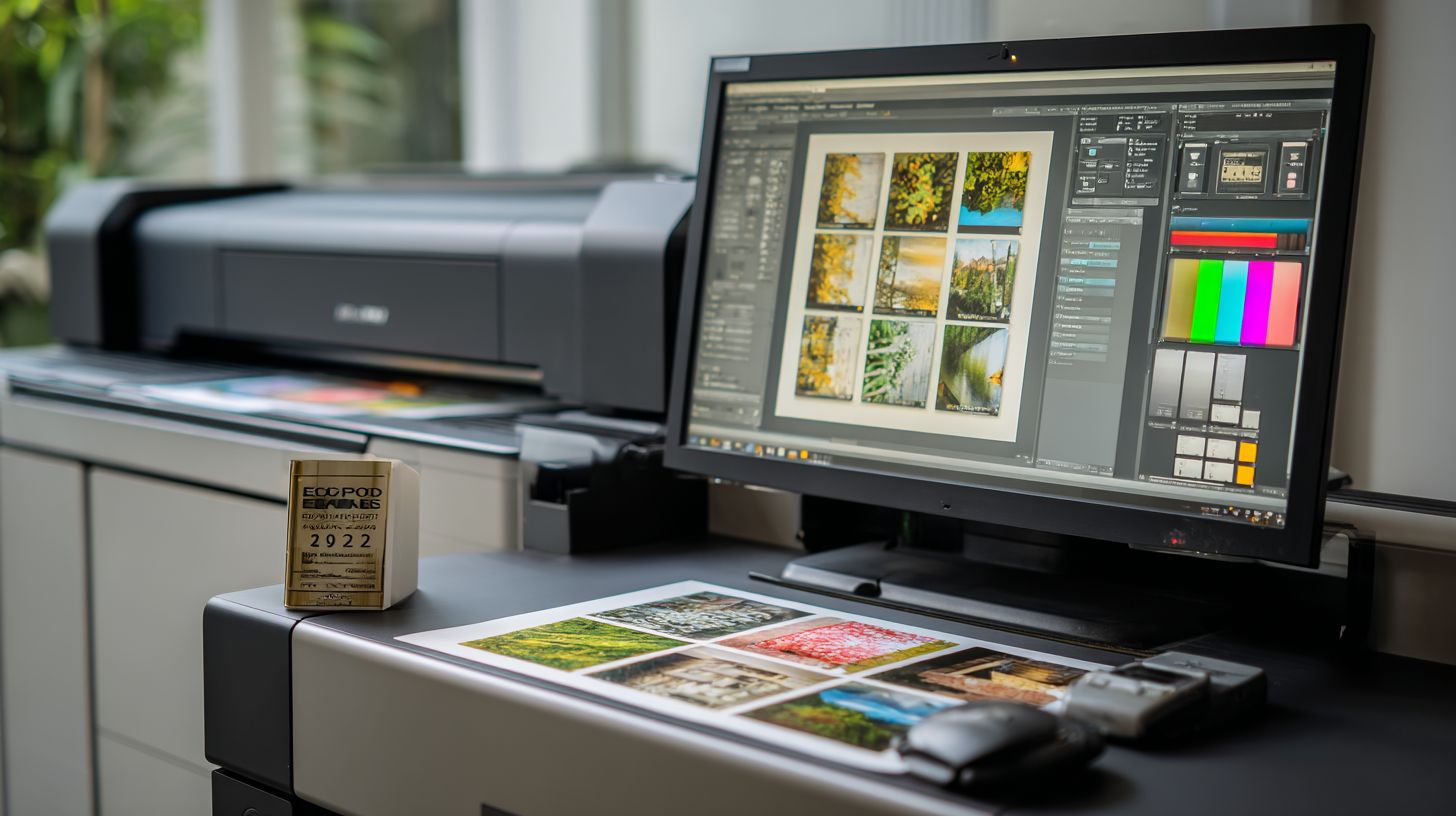
Follow this buying checklist for smooth Ergosoft RIP adoption in your print shop software workflow. Start with essentials to avoid common pitfalls.
- Verify printer model: Confirm Mimaki printers, HP printers, or Canon printers match RIP capabilities.
- Test drive with 30-day trial: Evaluate user interface, preview tools, and job editor on real jobs.
- Allocate training budget: Use Ergosoft tutorial and training resources for ease of use.
- Set up maintenance plan: Plan for customer support, update history, and version 2026 features.
Check Adobe Illustrator plugin and CorelDRAW support for design flow. Test barcode workflow and g-code output for cutting with Mutoh integration. This ensures scalability from small business RIP to enterprise RIP.
Who Should Choose Ergosoft?
Large shops with dye-sublimation RIP or reactive printing needs pick Ergosoft 2026 for performance benchmarks. It handles output formats and banding reduction well in pigment printing.
Teams valuing stability review and installation guide find it ideal. Ergosoft RIP Software suits wide format printing with nesting algorithm for media savings.
Smaller operations may prefer Wasatch RIP review competitors for lower license cost. Focus on your print speed and color accuracy goals first.
Frequently Asked Questions
What is the Ergosoft RIP Software Review 2026?
The Ergosoft RIP Software Review 2026 is a comprehensive evaluation of Ergosoft’s RIP (Raster Image Processor) software, highlighting its latest features, performance upgrades, and suitability for professional printing workflows in 2026. It covers aspects like color management, file handling, and integration with modern printers.
Is Ergosoft RIP Software worth it in the 2026 review?
According to the Ergosoft RIP Software Review 2026, yes, it’s highly recommended for users needing advanced RIP capabilities. The review praises its stability, speed improvements, and new AI-driven tools, making it a top choice for DTG, DTF, and UV printing professionals, though it notes a learning curve for beginners.
What are the key new features in Ergosoft RIP Software Review 2026?
The Ergosoft RIP Software Review 2026 spotlights updates like enhanced GPU acceleration for faster rendering, improved Pantone color matching, cloud-based license management, and better support for variable data printing. These make it more efficient for high-volume production environments.
How does Ergosoft RIP compare to competitors in the 2026 review?
In the Ergosoft RIP Software Review 2026, it outperforms rivals like ONYX and Caldera in white ink channeling and nested job optimization, but lags slightly in native AcroRIP compatibility. Overall, it’s rated 4.8/5 for versatility in wide-format and textile printing.
What are the system requirements for Ergosoft RIP as per the 2026 review?
The Ergosoft RIP Software Review 2026 specifies minimum requirements: Windows 10/11 or macOS 12+, 16GB RAM (32GB recommended), NVIDIA/AMD GPU with 4GB VRAM, and SSD storage. It emphasizes that meeting these ensures optimal performance for complex jobs.
Where can I buy Ergosoft RIP Software after reading the 2026 review?
The Ergosoft RIP Software Review 2026 suggests purchasing directly from the official Ergosoft website, authorized resellers like Colorgate or Hybrid Software partners, or through distributors such as Epson and Roland dealers. It also mentions trial versions available for testing before the full 2026 license purchase.
