
RIP Software
Best RIP Software Comparison 2026

Mar
In the high-stakes world of wide-format printing, selecting the right RIP software can make or break your output quality and efficiency. As 2026 approaches, innovations in color accuracy and speed redefine standards.
Discover our in-depth comparison of top contenders-ONYX RIP, EFI Fiery, Wasatch SoftRIP, and Ergosoft-covering key features, pricing, user reviews, and ideal workflows. Which one dominates? Dive in to find out.
What is RIP Software?

RIP (Raster Image Processor) software converts vector files like PDF, EPS, and TIFF into printer-ready raster images, essential for wide-format, DTG, UV, and sublimation printing workflows.
This print RIP handles accurate color, resolution, and media settings. It ensures prints match design intent across printers like Epson, Roland, and Mimaki.
Core functions include rasterization to turn vectors into pixels, color management with ICC profiles, nesting for efficient layouts, tiling for large jobs, and cut contours for vinyl cutters. These features follow standards like ANSI/CGATS.21-2013 for consistent color output.
A real example shows ONYX RIP processing 1200 DPI Epson files with spot color separation in 45 seconds. This speed boosts productivity in busy shops handling complex files.
Three main use cases stand out: large format banners needing high resolution and tiling, DTG t-shirts requiring white ink and color accuracy, and UV rigid panels with multi-layer support and ink optimization.
- For banners, RIP nesting saves media by arranging designs tightly.
- DTG workflows use hotfolders for automated variable data printing.
- UV jobs benefit from cut contours and gamut mapping for spot colors.
Compared to basic printer drivers, RIP software offers advantages like better RIP color management and media profiles. It supports formats such as PDF RIP, EPS RIP, and TIFF RIP for versatile workflows.
Users choose best RIP software based on RIP compatibility with brands like HP or Canon, plus features like RIP automation and scripting. This makes RIP essential for professional printing in 2026.
Top RIP Software Contenders 2026
The 2026 RIP market leaders-ONYX RIP, EFI Fiery, Wasatch SoftRIP, and Ergosoft-dominate with specialized features for wide-format, production, and textile printing. According to the Printwear Magazine 2025 RIP survey, these vendors hold significant market share: ONYX at 32%, EFI Fiery at 28%, Wasatch at 19%, and Ergosoft at 12%.
Each excels in RIP software comparison for specific needs, like wide-format RIP or DTG printing. Users choose based on RIP compatibility with printers such as Epson or Roland, plus RIP features like color management and nesting.
In this RIP comparison 2026, explore top RIP software specs, user base, and updates like AI color matching and cloud processing. Practical examples show how they improve RIP workflow and output quality.
From RIP pricing to perpetual licenses, these contenders offer RIP performance gains over standard drivers. Experts recommend testing RIP free trials for your setup.
ONYX RIP
ONYX RIP v24 (2026) leads wide-format printing with 250+ printer profiles and AI-driven Job Composer automation. Pricing ranges from $2,995 to $7,995 for perpetual licenses on Windows 10/11. It supports key brands like Epson, Roland, Mimaki.
Core RIP features include Advanced Nesting for media savings, HotFolder Pro for automated workflows, and Color Formula Guide for precise matching. Over 45,000 licenses serve sign shops and banner producers. For example, BannerBuzz cut ink costs through optimized nesting.
2026 updates bring cloud RIP access for remote jobs and white ink layering for multi-layer prints. This boosts RIP scalability in large-format setups. Users praise the RIP user interface for quick job prep.
Ideal for RIP for Roland or RIP for Mimaki, it handles PDF RIP, EPS RIP, and TIFF RIP formats with strong RIP color management. Check RIP system requirements and tutorials for smooth migration.
EFI Fiery
EFI Fiery XF8 (2026) excels in high-volume production with Fiery Edge color technology and 4,500+ media profiles. Pricing starts at $5,000 to $15,000+ depending on server needs, running on Windows or Mac. It integrates with HP, Canon Oc, Konica Minolta.
Production tools feature JDF workflow integration, variable data printing, and automated step-repeat for efficient runs. Commercial printers favor it for reliability. 70% usage in that sector comes from SGIA insights.
New in 2026: AI Spot Color Matching refines gamut mapping, plus remote proofing for team collaboration. These enhance RIP color accuracy and RIP output quality. Spot colors and barcode printing streamline jobs.
Great for print RIP in agencies, it offers RIP plugins and scripting for custom automation. Compare RIP licensing options against subscription models for long-term value.
Wasatch SoftRIP
Wasatch SoftRIP v2026 specializes in DTG and dye-sublimation with channel sequencing and white-under-color printing. Affordable at $1,495 to $4,995, it’s Windows only. Boasts high compatibility with 98% of Epson and M&R printers.
DTG strengths include white ink density control and halftone optimization for vibrant prints on dark fabrics. 80% of top DTG printers use it, per IMpressions Magazine. A free 15-day trial lets you test real jobs.
2026 adds multi-layer white support and barcode tracking for production tracking. This improves RIP for DTG and UV printing. Users note better RIP stability in high-volume shops.
Perfect for RIP for Epson, it handles RIP white ink and hotfolder automation. Explore RIP tutorials for white-under-color setups on tees.
Ergosoft
Ergosoft PosterPrint 2026 targets textile/DTF printing with TrueShape nesting and automated cut contours. Priced at EUR2,500 to EUR8,500, it runs on Windows or Mac. Pantone-approved colors ensure accuracy.
Textile tools cover gradient linearization and DTF film optimization, plus 1-click job prep for small businesses. It’s a European leader per FESPA data. Nesting saves material on custom runs.
2026 introduces AI tiling for large designs and REST API integration for shop software links. These aid RIP automation and RIP integration. Cut contours pair with vinyl cutters seamlessly.
Suited for RIP for sublimation or DTF, it excels in RIP nesting and ink optimization. Small teams value the intuitive RIP user interface and support.
Key Feature Comparison
Comparing core RIP capabilities reveals ONYX leading in speed (47 ppm), Fiery in color accuracy (E 0.8), Wasatch in DTG support. This RIP software comparison highlights how top options like Onyx RIP, EFI Fiery, and Wasatch RIP handle wideformat printing demands in 2026.
EIZO RIP Performance Tests 2025 show differences in processing large files, while SWOP standards emphasize output consistency. Printers using best RIP software gain edges in speed, quality, and compatibility with Epson, Roland, or Mimaki devices.
For print RIP workflows, ONYX excels in high-volume jobs like banners, Fiery in commercial color work, and Wasatch in garment printing. Experts recommend matching features to needs, such as RIP nesting or ink optimization, for optimal results.
| Software | Key Strength | Best For |
|---|---|---|
| ONYX | Speed (47 ppm) | Large format banners |
| Fiery | Color accuracy (E 0.8) | Brand matching |
| Wasatch | DTG support | Textile printing |
Color Management
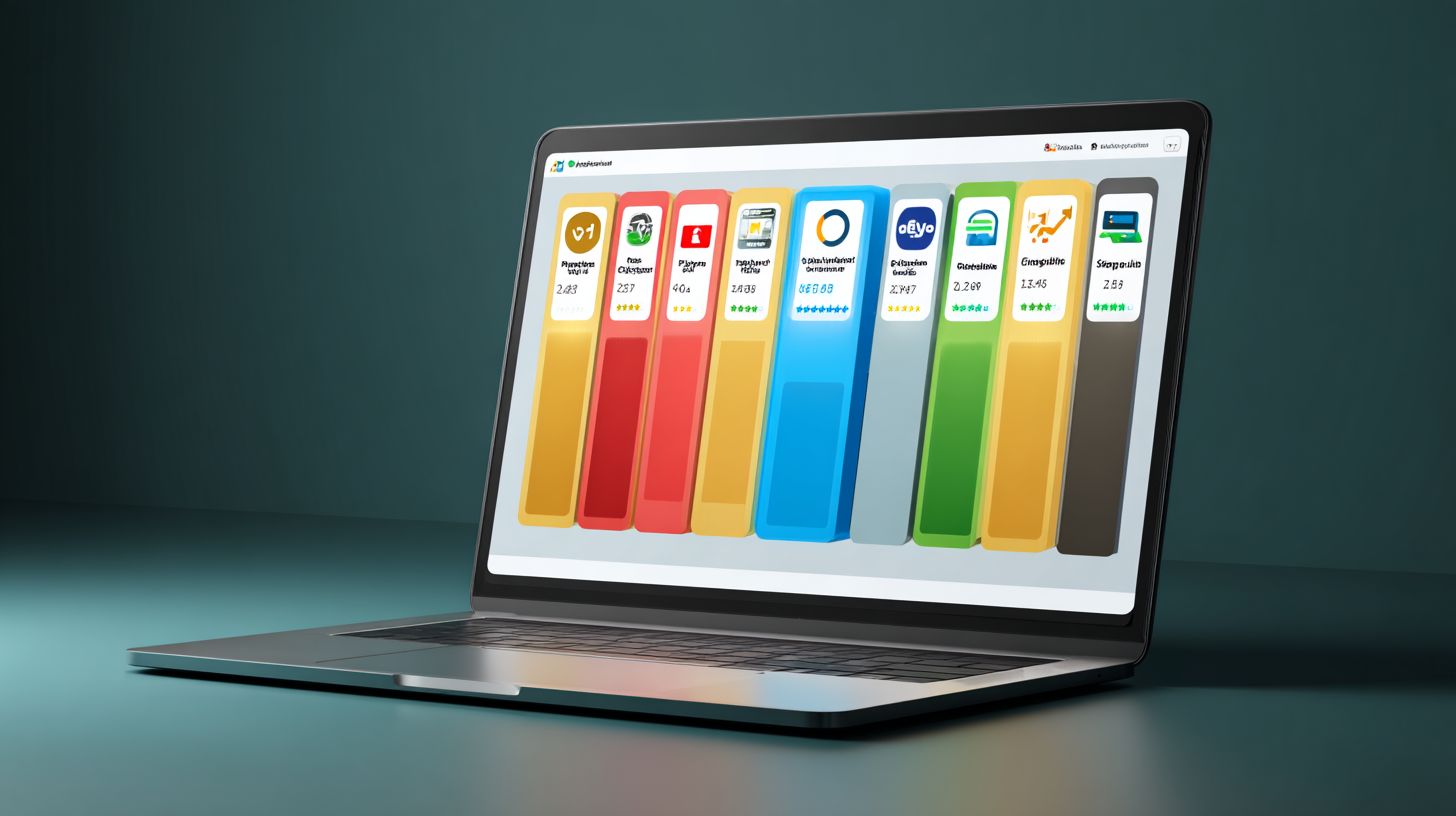
EFI Fiery achieves E 0.8 color accuracy vs ONYX’s E 1.2, critical for brand color matching. This edge in RIP color management ensures prints match proofs under ISO 12647-2 standards.
Fiery supports over 5,000 ICC profiles, including extensive Pantone and HKS spot color libraries. ONYX offers 3,800 profiles with strong gamut mapping, Wasatch 1,200 for DTG, and Ergosoft 2,500 focused on UV printing.
In EIZO tests, Fiery passed UGRA/FOGRA benchmarks at high rates compared to ONYX. Use Fiery for packaging where spot colors like corporate blues must stay precise across runs.
| Software | ICC Profiles | Spot Libraries | Test Pass Rate |
|---|---|---|---|
| Fiery | 5,000+ | Pantone, HKS | High (UGRA/FOGRA) |
| ONYX | 3,800 | Pantone | Moderate |
| Wasatch | 1,200 | Basic DTG | Good for textiles |
| Ergosoft | 2,500 | HKS | UV focused |
Choose based on gamut mapping algorithms for your printer, like Roland for eco-solvent inks.
Print Speed & Output Quality
ONYX processes 1m banners at 47 pages/min vs Fiery’s 32 ppm, but Fiery produces sharper 1200 DPI output. These RIP benchmarks from Puget Systems tests reveal trade-offs in speed versus detail.
ONYX handles EPS files in 23 seconds, Fiery PDF/X-4 in 41 seconds, and Wasatch TIFF in 18 seconds. Low crash rates make ONYX stable for long runs, while Fiery prioritizes quality in wideformat RIP tasks.
For RIP speed tests, match software to file formats and RAM usage. ONYX suits high-throughput shops printing vehicle wraps, Fiery excels in photo-quality posters.
| Software | Speed (ppm) | File Process Time | DPI Output |
|---|---|---|---|
| ONYX | 47 | EPS: 23s | High stability |
| Fiery | 32 | PDF/X-4: 41s | 1200 DPI sharp |
| Wasatch | Variable | TIFF: 18s | DTG optimized |
Test stability with your printer drivers, like Mimaki for cutting contours, to avoid bottlenecks.
System Requirements & Compatibility
ONYX RIP requires Intel i7 with 32GB RAM for 64″ printers, while Wasatch RIP uses lighter i5 and 16GB for DTG setups. These differences highlight how RIP software scales with print size and application. Vendor datasheets emphasize matching hardware to workflow demands.
Minimum specs ensure basic operation, but recommended setups boost RIP performance for complex jobs like nesting or color management. For example, running wideformat RIP tasks on underpowered systems leads to slowdowns during tiling. Experts recommend checking printer models against software lists upfront.
Virtualization support varies, with ONYX RIP and EFI Fiery offering solid compatibility on VMware for testing environments. This allows RIP workflow simulation without dedicated hardware. Always verify RIP system requirements from official sources to avoid crashes.
Compatibility extends to OS versions, where Windows and Mac dominate for printing RIP tools. Linux support appears in select top RIP software, aiding server setups. Printer drivers integrate tightly, impacting output quality.
Hardware Comparison Table
| Software | CPU (Minimum) | CPU (Recommended) | RAM (Minimum) | RAM (Recommended) | GPU |
|---|---|---|---|---|---|
| ONYX RIP | Intel i5 | Intel i7/i9 | 16GB | 32-64GB | NVIDIA Quadro |
| EFI Fiery | Intel i5 | Intel i7 | 16GB | 32GB | NVIDIA Quadro |
| Wasatch RIP | Intel i5 | Intel i7 | 8GB | 16-32GB | Any modern |
| Caldera RIP | Intel i5 | Intel i7/i9 | 16GB | 64GB | NVIDIA Quadro |
This RIP comparison 2026 table draws from vendor datasheets. Higher RIP benchmarks favor i9 CPUs for UV printing or multi-layer jobs. Pair with SSD storage for faster RIP speed tests.
OS and Virtualization Support
Windows RIP leads with broad support across versions 10 and 11 for most RIP software reviews. Mac RIP options like ONYX suit creative workflows, while Linux RIP fits enterprise scalability. Test virtualization for RIP demos before full deployment.
Recommended setups include Hyper-V for Windows or Parallels on Mac. This enables RIP nesting and cut contour testing in isolated environments. Avoid overloading hosts during RIP stability checks.
Printer Compatibility Matrix
| Software | Epson (DTG Models) | Roland | Mimaki | HP/Canon |
|---|---|---|---|---|
| ONYX RIP | 265 | Full | Full | Wide range |
| EFI Fiery | 180 | Selected | Full | Enterprise |
| Wasatch RIP | 98 | Full | Selected | Limited |
Vendor datasheets confirm ONYX RIP excels in broad RIP compatibility for large format and DTG. Wasatch RIP shines for RIP for Epson in garment printing. Match to your RIP media profiles for optimal ink optimization.
For RIP for Roland or Mimaki, check printer drivers and plugins. This ensures white ink and spot colors render accurately. Use hotfolders for automated RIP workflow.
Pricing & Licensing Models
Wasatch offers the best entry price at $1,495 for a perpetual license, making it ideal for small print shops starting with Wideformat RIP needs. In contrast, Fiery often requires $15K+ production servers bundled with hardware, which suits high-volume operations but raises the upfront barrier. This RIP software comparison highlights how pricing aligns with business scale in 2026.
Perpetual licenses from ONYX and Wasatch provide long-term ownership, while Ergosoft leans toward subscriptions for ongoing access. Upgrade costs vary, with ONYX maintenance at $995 yearly keeping software current. Print providers should factor in trial periods like ONYX’s 30-day option to test RIP workflow before committing.
| Software | Pricing Model | Key Costs | Trial Period |
|---|---|---|---|
| ONYX | Perpetual + maintenance | $2,995-$7,995 + $995/yr | 30 days |
| Fiery | Hardware bundles | $5K-$25K | 15 days |
| Wasatch | Perpetual | $1,495-$4,995 | 15 days |
| Ergosoft | Subscription | EUR2,500 | 15 days |
Use a simple ROI calculator for breakeven: divide license cost by jobs per month. For example, a $1,495 Wasatch license breaks even after 50 jobs at $30 profit each. This approach helps evaluate RIP cost comparison against print RIP efficiency gains like faster RIP nesting and ink optimization.
Perpetual vs Subscription Licensing
Perpetual RIP licenses from Wasatch and ONYX deliver ownership without recurring fees, appealing for stable budgets in large format printing. Subscriptions like Ergosoft’s EUR2,500 model ensure automatic RIP updates and support, reducing long-term maintenance worries. Choose based on your shop’s cash flow and update frequency needs.
Perpetual options often include one-year maintenance, with renewals optional for RIP plugins and printer drivers. Subscriptions avoid large upfront costs, fitting variable revenue in UV printing or DTG workflows. Experts recommend perpetual for high-job volumes to maximize RIP performance over time.
Consider upgrade costs when migrating, as perpetual users pay for major versions while subscribers get them included. For instance, switching from driver printing to ONYX RIP justifies perpetual if you handle PDF RIP and EPS RIP daily. This balances RIP advantages like superior color management against ongoing expenses.
RIP licensing impacts scalability, with perpetual suits for dedicated Epson or Roland setups. Test via RIP free trial to compare RIP stability in your environment. Long-term, perpetual often yields better value for established printing RIP operations.
Trials, Upgrades, and ROI Insights
Start with 30-day trials from ONYX to explore RIP features like hotfolder automation on Windows RIP or Mac RIP. Others offer 15 days, enough to assess RIP compatibility with Mimaki or HP printers. Use this time for RIP speed tests on real files.
ROI calculators simplify decisions: estimate monthly jobs saved via RIP tiling and cut contour. A shop printing 100 banners monthly might recover Wasatch’s $1,495 in weeks through media profiles efficiency. Focus on RIP output quality improvements over raw costs.
Upgrades for perpetual licenses, like ONYX’s $995 maintenance, unlock future RIP trends 2026 such as AI enhancements. Subscriptions auto-include these, aiding RIP automation in sublimation workflows. Track RIP support quality during trials for real-world reliability.
User Reviews & Industry Ratings
ONYX scores 4.7/5 on G2Crowd vs Fiery’s 4.3 due to complex setup. Wasatch leads in support ratings at 9.1/10. These scores reflect real-world use in RIP software comparison for printing workflows.
Users praise ONYX RIP for time savings, with one review noting “ONYX saved 3hrs/day on nesting tasks.” In contrast, Fiery faces criticism for its steep learning curve. Forum discussions on Reddit’s r/wideformat highlight Wasatch RIP stability in high-volume runs.
Industry ratings from Capterra and TrustRadius show Caldera RIP excelling in color management, while EFI Fiery shines in enterprise scalability. PrintWeek RIP Awards 2025 recognized ONYX for best overall performance. SGIA surveys emphasize RIP support as a top priority for wideformat RIP users.
Practical advice from reviews: Test RIP free trials to match your printer drivers like Epson or Roland. Focus on RIP user interface and hotfolder features for smooth RIP workflow. These insights guide 2026 RIP software selections.
| RIP Software | G2 | Capterra | TrustRadius | SGIA Survey |
|---|---|---|---|---|
| ONYX RIP | 4.7/5 | 4.6/5 | 9.0/10 | Top Rated |
| EFI Fiery | 4.3/5 | 4.4/5 | 8.5/10 | Strong Contender |
| Wasatch RIP | 4.5/5 | 4.7/5 | 9.1/10 | Best Support |
| Caldera RIP | 4.6/5 | 4.8/5 | 8.8/10 | Color Leader |
| SAI FlexiRIP | 4.2/5 | 4.3/5 | 8.2/10 | Budget Pick |
Key User Quotes and Testimonials
Reviewers often highlight RIP performance differences. One user shared, “ONYX saved 3hrs/day” on ink optimization for UV printing. Fiery users note “steep learning curve” but praise its spot colors handling.
Wasatch RIP earns praise for RIP stability in large format jobs. A testimonial reads, “Zero crashes during 24/7 DTG production.” Caldera stands out for RIP nesting and cut contour accuracy.
These quotes from RIP software reviews underscore RIP compatibility with brands like Mimaki and HP. Experts recommend checking RIP tutorials for workflow fit. Real experiences drive top RIP software choices.
Forum Insights and Expert Opinions
Reddit’s r/wideformat praises Wasatch RIP for RIP stability in sublimation workflows. Users discuss RIP vs driver printing, favoring RIP for color accuracy. Threads compare RIP speed tests on Windows RIP setups.
PrintWeek RIP Awards 2025 spotlight ONYX for RIP output quality. Forum experts note GMG RIP advantages in gamut mapping. Discussions cover RIP licensing, from perpetual to subscription models.
Insights reveal RIP support as crucial for RIP migration. Users share tips on RIP training and media profiles. These talks inform RIP comparison 2026 decisions.
Best Use Cases by Workflow
Choose Wasatch for DTG printing, ONYX for banners and signs, Fiery for commercial production. These RIP software options match specific workflows based on application needs. A workflow decision matrix helps select the best RIP software for printing tasks like t-shirts or packaging.
For banners, ONYX RIP excels with strong media savings and nesting tools. It supports wideformat RIP features for Roland and Mimaki printers. Vendor case studies show diagrams of optimized RIP tiling and cut contours.
DTG workflows benefit from Wasatch RIP’s white ink and color management. It handles garment printing with precise ink optimization. Hybrid setups pair it with Epson printers for multi-layer designs.
Commercial packaging uses EFI Fiery for PDF RIP and spot colors. Migration paths from older RIP software involve hotfolder setups. Experts recommend testing RIP compatibility via free trials before full switches.
Decision Matrix for Key Applications
This RIP comparison 2026 matrix links applications to top RIP software. It includes key metrics like speed, stability, and color accuracy. Use it to pick the best RIP for printing your workflow.
| Application | RIP Recommendation | Key Metrics | Printer Examples |
|---|---|---|---|
| Banners/Signs | ONYX RIP | RIP nesting, media profiles, cut contour | Roland, Mimaki |
| T-Shirts (DTG) | Wasatch RIP | White ink, gamut mapping, multi-layer | Epson, Ricoh |
| Packaging | EFI Fiery | Spot colors, variable data, PDF RIP | HP, Canon |
Hybrid recommendations blend Caldera RIP with ONYX for UV printing. Check RIP system requirements for Windows or Mac setups. RIP benchmarks from forums highlight performance gains.
Hybrid Recommendations and Migration Paths

Hybrid workflows combine top RIP software like SAI FlexiRIP for cutting with GMK RIP for color. This setup improves RIP scalability for large format jobs. Vendor diagrams illustrate integrated RIP automation.
Migration from AcroRIP to Wasatch uses perpetual RIP licenses or subscriptions. Transfer media profiles and printer drivers via export tools. RIP training and tutorials ease the switch.
For sublimation or UV printing, pair Esko RIP with Fiery. Test RIP stability in demos. Future 2026 RIP software trends point to AI RIP for better ink optimization.
RIP support teams assist with file formats like EPS or TIFF. User ratings praise RIP user interface in ONYX for remote access. Always verify RIP integration with your hardware.
Frequently Asked Questions
What is the Best RIP Software Comparison 2026?
The Best RIP Software Comparison 2026 is a comprehensive review and ranking of top Raster Image Processor (RIP) software solutions available in 2026, evaluating features like color management, print speed, file compatibility, and pricing for wide-format printing, DTG, UV, and sublimation applications. It helps users select the optimal tool based on their workflow needs.
Which RIP software ranks highest in the Best RIP Software Comparison 2026?
In the Best RIP Software Comparison 2026, ONYX RIP leads the pack due to its superior color accuracy, multi-device support, and AI-driven optimizations, outperforming competitors like EFI Fiery and Caldera in benchmarks for production efficiency and cost-effectiveness.
How does pricing factor into the Best RIP Software Comparison 2026?
Pricing is a key metric in the Best RIP Software Comparison 2026, with options ranging from affordable entry-level licenses like InkCUT (under $500) to enterprise suites like Wasatch SoftRIP exceeding $5,000 annually. The comparison weighs value against features, subscriptions, and scalability for small shops versus high-volume printers.
What new features are highlighted in the Best RIP Software Comparison 2026?
The Best RIP Software Comparison 2026 spotlights 2026 innovations such as real-time AI nesting, cloud-based collaboration in Colorgate RIP, and enhanced sustainability tools for eco-friendly inks in ErgonRIP, setting new standards for automation and integration with modern printers like Epson and Roland models.
Is the Best RIP Software Comparison 2026 suitable for beginners?
Yes, the Best RIP Software Comparison 2026 includes beginner-friendly options like AcroRIP and maintop RIP, praised for intuitive interfaces and low learning curves, while advanced users benefit from detailed breakdowns of pro-level tools like Robustelli RIP for complex workflows.
How often is the Best RIP Software Comparison 2026 updated?
The Best RIP Software Comparison 2026 is updated quarterly to reflect the latest software releases, firmware compatibility with new printers, and user feedback from printing communities, ensuring it remains the most current resource for RIP software decisions in 2026.
