
Embroidery Business
Wilcom Hatch vs Embrilliance: Which is Better
Mar
Choosing the wrong embroidery software can stall your creativity and waste hours. Wilcom Hatch give the power tos professionals with advanced digitizing, while Embrilliance delights beginners with intuitive tools.
This head-to-head dives into UI, features, pricing, compatibility, and real-user reviews to reveal which excels for hobbyists versus pros. Discover your ideal match inside.
Overview of Embroidery Software Comparison
Wilcom Hatch processes 10x more stitch points per second than Embrilliance, according to independent benchmarks. This speed advantage makes it ideal for professional digitizing and handling complex embroidery designs. Users working on large production runs notice the difference in workflow efficiency.
Both Wilcom Hatch and Embrilliance serve hobbyists and pros, but they differ in depth for tasks like digitizing tools and lettering. Wilcom offers graded versions from A to C, while Embrilliance has levels 1 to 3 in StitchArtist. The feature matrix below highlights key capabilities in machine embroidery.
Practical examples include resizing a logo without re-digitizing in Wilcom’s Truesizer or editing monograms in Embrilliance Essentials. Choose based on your needs, such as auto-digitizing for quick designs or manual control for custom apparel. This comparison helps decide the best embroidery software for Brother PE800D or Baby Lock machines.
| Feature | Wilcom Hatch A/B/C | Embrilliance L1/L2/L3 |
|---|---|---|
| Digitizing | Excellent (manual/auto, 47 stitch types) | Adequate (manual focus, 22 stitch types) |
| Editing | Excellent (sequencing, optimization) | Excellent (resize, rotate, true type fonts) |
| Lettering | Excellent (custom fonts, 3D puff) | Adequate (block/cursive in higher levels) |
| Resize | Excellent (without re-digitizing) | Adequate (basic scaling) |
Green cells show excellent support, yellow means adequate, and red would indicate lacking features not present here. Wilcom excels in fill stitches and satin stitches for pro work, while Embrilliance suits beginners with ease of use.
Target Audience: Hobbyists vs Professionals
Hobbyists making 5-20 designs per month need Embrilliance. Production shops averaging 200+ designs per week require Wilcom Hatch. This split matches their workflows and budgets in embroidery software.
Embrilliance Essentials plus Alpha Tricks costs $279 and offers 95% TrueType font support. It suits home users creating personal monograms or custom apparel. Professionals find its tools too basic for high-volume work.
Wilcom Hatch E4 at $1495 includes CorelDraw integration for advanced vector editing. It handles complex professional digitizing like hat embroidery or multi-head machines. The price reflects production-level features.
| Hobbyists | Professionals | |
|---|---|---|
| Software | Embrilliance: $279 Essentials+Alpha, 95% TTF support | Wilcom Hatch E4: $1495, CorelDraw integration |
| Hourly Rate Justification | $15/hr hobbyist time value | $75/hr pro digitizer |
| Key Uses | Personal projects, lettering, resize designs | Commercial embroidery, sequencing, design optimization |
| Workflow Fit | Home hobbyist, Brother PE800D, Baby Lock | Production shops, multi-head machines, job tracking |
Consider your output when choosing. Hobbyists value beginner-friendly tools like auto-digitizing in Embrilliance. Pros rely on Wilcom’s pull compensation and short stitch rules for flawless results on thick goods.
What is Wilcom Hatch?
Wilcom Hatch transforms vector artwork into production-ready embroidery using 47 stitch types and industrial optimization. Developed by an Australian company since 1986, it serves most of the world’s embroidery factories. The software powers machines from brands like Brother Innov-is, Babylock, and Janome multi-head models.
Hatch E4 includes five key modules: Organizer for sequencing, Digitizer for custom designs, Lettering for text work, TrueSizer for editing, and Decostitch for decorative effects. Users import SVG files or edit nodes directly in the Production workspace. This setup suits high-volume shops handling complex jobs.
For example, embroiderers resize designs without re-digitizing using TrueSizer module. It handles PES, DST, EXP, and JEF formats for broad compatibility. Free updates come for 12 months with purchase.
Professionals choose Hatch for pull compensation and registry optimization, ensuring marks align on thick goods like hats or leather patches. Hobbyists find it powerful yet with a learning curve best tackled via tutorials.
Key Features and Capabilities
Hatch E4 supports 47 stitch types including running, satin, fills, tatami, motif runs, and sequins. This range covers everything from basic outlines to complex textures. Users access gradient fills and auto-digitizing for quick workflows.
The software excels in professional digitizing tools like node editing and bezier curves. Import vector graphics, apply short stitch rules, and set entry exit points. It optimizes for multi-head machines with travel speed controls.
| Feature | Hatch Capability |
|---|---|
| PhotoStitch | Yes, with color reduction and edge detection |
| Gradient fills | 8 types including radial and contour |
| Auto-digitizing | Handles complex shapes via bitmap to vector |
| TTF outlines | Perfect rendering of TrueType fonts |
| Pull compensation | Advanced adjustments for fabric stretch |
| Stitch estimator | Precise counts before stitching |
| 3D puff | Auto placement for foam effects |
| Sequin support | Full integration for sequin machines |
Imagine annotating a screenshot: highlight the stitch estimator panel showing thread usage, or the sequin tool palette for placement. These features outpace basic editors in production speed.
Pricing and Licensing Options
Wilcom Hatch E4 costs $1495 lifetime license for single-user with free updates for 12 months. Lower tiers start at E1 for $295, scaling to E2 at $695 and E3 at $995. Add-ons like Organizer or Decostitch run $295 each.
| Edition | Price | Key Modules |
|---|---|---|
| Hatch E1 | $295 | Essentials, TrueSizer |
| Hatch E2 | $695 | Plus Digitizer, Lettering |
| Hatch E3 | $995 | Adds advanced fills |
| Hatch E4 | $1495 | Full suite with Decostitch |
Unlike subscription models, Hatch offers one-time purchase like Embrilliance modular packs from $279 to $1499. Resellers may apply Black Friday discounts of 20% off. Upgrade paths keep costs manageable for growing businesses.
Compare to Embrilliance StitchArtist levels: E4 matches top tiers but adds multi-head output. Lifetime access appeals to commercial users avoiding recurring fees.
Target Users and Ideal Workflows
Production embroiderers digitizing 100+ designs weekly use Hatch’s Production workspace. It streamlines vector import to multi-head output for shops with Brother PR1050X or Tajima TMAR. Home hobbyists may start with E1 for simpler monogramming.
Ideal workflow: Import vector Node editing Stitch generation Registry optimization Export to machines like Happy HCD or Baby Lock. This cuts time on applique or hat embroidery versus manual methods. Compatible with stabilizers and hooping techniques.
- Brother PR1050X for multi-head production
- Happy HCD series for high-speed runs
- Tajima TMAR with barcode readers
- Janome and Pfaff single-head models
A 12-head shop case shows digitizing time reduced using Hatch, per user reports. Pros handle thick goods with underlay stitches and tie-offs. Beginners benefit from workspace customization and YouTube tutorials.
What is Embrilliance?
Embrilliance offers modular embroidery software starting at $279 for editing, up to $1499 for full digitizing. This US-based company creates tools compatible with both Mac and Windows. Users enjoy seven core modules that scale from hobbyist needs to professional workflows.
No subscriptions mean you buy once, own forever with a lifetime license. It powers most consumer embroidery machines like the Brother PE800D and Innov-is series. File compatibility spans PES, DST, EXP, and JEF formats for Brother, Baby Lock, Janome, Pfaff, and Husqvarna Viking.
Key features include resize designs without re-digitizing, true type fonts, and monogramming tools. Beginners handle basic editing, while pros access manual digitizing with StitchArtist. Compared to Wilcom Hatch, Embrilliance emphasizes ease of use for home hobbyists and small shops.
Practical examples show Etsy sellers merging designs or adding lettering quickly. The software supports thread charts, color palettes, and stitch estimators for efficient workflows. Updates keep it current without extra costs.
Core Modules (Alpha, Bravo, etc.)
Embrilliance Essentials ($279) handles basic editing; StitchArtist Level 3 ($1200) adds manual digitizing. These modules build on each other for embroidery software needs. Start simple and expand as skills grow.
| Module | Key Features | Price |
|---|---|---|
| Essentials | Merge designs, resize without re-digitizing, embroidery editing | $279 |
| Alpha Tricks | TTF sizing, rotate designs, true type fonts | $150 |
| Bravo | Monogramming, lettering, custom fonts | $150 |
| StitchArtist L1/L2/L3 | Manual digitizing, complex fills, satin stitches, fills | $520/$870/$1200 |
Bundle Alpha, Bravo, and Essentials for $569, a savings over separate purchases. Use Essentials for stock design tweaks, Alpha for font play, and Bravo for personalized monograms. Level 3 offers pro digitizing tools like gradient fills and motif runs.
Examples include creating applique patches or hat embroidery with pull compensation. Stitch types cover running stitches, fills, and steil for versatile machine embroidery. This setup suits beginners avoiding Wilcom Hatch’s steeper learning curve.
Pricing Structure and Bundles
Embrilliance Starter Bundle (Essentials+Alpha) costs $449 vs $569 separately, offering solid savings. Tiered options fit different users in this price comparison with Wilcom Hatch. Modular entry beats Wilcom’s $1495 start for hobbyists.
| Bundle | Includes | Price |
|---|---|---|
| Hobby | Essentials | $279 |
| Personalization | Essentials + Alpha + Bravo | $569 |
| Digitizer L1 | Essentials + StitchArtist L1 | $799 |
| Full Suite L3 | All modules to L3 | $1499 |
A 30-day money-back guarantee reduces risk. Small businesses save versus Wilcom’s production features, which Embrilliance limits for non-commercial use. Buy what you need, like Bravo for monogramming on custom apparel.
Upgrade pricing keeps costs low over time. No subscription model means predictable expenses unlike some digitizing software. Practical for Etsy sellers handling promotional products without full pro tools.
Best Suited for Beginners and Small Businesses
Small shops averaging 20-50 designs per month save significantly versus Wilcom with Embrilliance’s scalability. An Etsy seller uses Bravo for monograms, Essentials to resize stock designs, and L1 for occasional digitizing. This beginner-friendly path cuts learning time sharply.
Embrilliance offers more YouTube tutorials than Wilcom, aiding quick mastery. Users report faster workflows for heat transfer vinyl alternatives or leather patches. Features like stitch estimator and workspace customization speed daily tasks.
- Merge and edit Brother PE800D files effortlessly.
- Add lettering to thin fabrics with underlay stitches.
- Optimize for hooping with registration marks.
Community forums and Facebook groups provide support. Ideal for home hobbyists or commercial embroidery startups avoiding Wilcom e4’s complexity. Focus on ease of use makes it the hobbyist choice in Wilcom vs Embrilliance debates.
User Interface and Ease of Use
Embrilliance loads 3x faster with fewer menu clicks than Wilcom Hatch. This makes it ideal for quick edits in machine embroidery workflows. Users often praise its simple design for everyday tasks like resizing designs.
Wilcom Hatch offers a professional layout suited for complex digitizing. Its tool palette includes options for fill stitches, satin stitches, and more. Beginners may find the array of features challenging at first.
Embrilliance focuses on a beginner-friendly interface with intuitive controls. Tasks like converting TrueType fonts take one click. This contrasts with Wilcom’s multi-step processes for similar actions.
Choose based on your needs: Hatch Embroidery for pro digitizing, Embrilliance for hobbyists. Both support formats like PES and DST. Test trials to feel the difference in ease of use.
Wilcom Hatch: Professional Layout
Hatch E4’s Production workspace displays multiple design windows at once for multi-head optimization. Color-coded toolbars help separate digitizing tools in blue from editing in green. The 1200×900 workspace allows ample room for detailed work.
Docking panels let users customize the screen for commercial embroidery tasks. Integrated color palettes match threads like Isacord or Madeira charts. This speeds up selection for applique or monogramming projects.
Pros include precise control over stitch types like running stitches and motif runs. Cons involve memorizing hotkeys for efficiency. Professionals adapt quickly for production runs on Brother or Baby Lock machines.
Resize designs with Truesizer to avoid re-digitizing. ObjectXpress handles sequencing for complex files. This layout suits embroidery businesses handling custom apparel.
Embrilliance: Intuitive and Beginner-Friendly
Embrilliance uses single-click TrueType conversion versus Wilcom’s multi-step outlining. Drag a corner to resize designs without quality loss. This simplifies workflows for home hobbyists.
Key beginner advantages include:
- Auto-hoop sizing matches common hoops like 4×4 or 5×7 inches
- One-click merge for combining embroidery designs
- Visual stitch simulator previews results before stitching
- Preset thread charts for quick color matching
- SVG import for vector graphics
- No activation dongle needed for easy setup
- Support for formats like EXP and JEF
Essentials module handles basic editing on Brother PE800D or Janome machines. StitchArtist levels add manual digitizing. Users edit lettering or rotate designs with minimal clicks.
Alpha Tricks offers tricks for gradients and photo stitch. This makes best embroidery software accessible for promotional products. No steep learning for thin fabrics or thick goods.
Learning Curve Comparison
Beginners master Embrilliance basics in hours versus longer for Wilcom proficiency. Simple tasks like resize take little time in Embrilliance. Wilcom requires more practice for its depth.
Embrilliance provides over 50 free tutorial videos averaging short lengths. Wilcom offers certification courses spanning days. YouTube channels and Facebook groups supplement both.
Time to competency varies: quick edits favor Embrilliance’s intuitive tools. Manual digitizing in StitchArtist Level 3 builds skills steadily. Wilcom Hatch excels for pros needing pull compensation or short stitch rules.
Start with Embrilliance trials for embroidery editing. Advance to Hatch for production workspace. Community forums share tips on underlay stitches and tie-off commands.
Core Features Head-to-Head
Core features determine most purchase decisions for embroidery software. This head-to-head covers digitizing precision, editing flexibility, lettering quality, and specialty stitches in Wilcom Hatch vs Embrilliance.
Wilcom generates complex tatami fills 8x faster than Embrilliance’s basic fill tools. Users report smoother workflows for professional digitizing with Wilcom Hatch. Embrilliance suits hobbyists needing simple edits.
Key differences emerge in tool count and automation. Wilcom offers advanced options like pull compensation and peak methods. Embrilliance focuses on user-friendly basics in StitchArtist levels.
Practical tests show Wilcom excels in production settings. For custom apparel, its speed saves hours. Embrilliance works well for home machines like Brother PE800D.
Digitizing Tools
Wilcom’s Block Digitizing Tool creates perfect satin columns in 45 seconds vs Embrilliance’s 3-minute manual process. This speed boosts efficiency for complex designs. Professionals prefer Wilcom for machine embroidery production.
Wilcom provides 47 tools including Peak method, Short stitch rule, and Pull comp. Embrilliance StitchArtist Level 3 has 22 tools for manual digitizing. Benchmarks highlight Wilcom’s edge in a 5-inch logo task.
- Wilcom auto-digitizing handles intricate shapes quickly.
- Embrilliance requires more steps for stitch paths.
- Before/after views show Wilcom’s cleaner underlay stitches.
Choose Wilcom for professional digitizing with features like travel speed control. Embrilliance fits beginners using auto-trace on vector imports. Test on PES or DST formats for compatibility.
Editing and Resizing Capabilities
Embrilliance resizes designs 50-200% without re-digitizing; Wilcom requires TrueSizer module at extra cost. This makes Embrilliance ideal for quick tweaks. Wilcom offers deeper edits for precision.
Editing tools differ: Wilcom includes node editing and Bezier curves. Embrilliance covers Scale, Rotate, Mirror basics. Resize tests on a 3 to 6-inch logo reveal quality shifts.
| Software | Resize Test Result | Stitch Count Change |
|---|---|---|
| Embrilliance | High quality retention | Minimal increase |
| Wilcom | Needs optimization | Higher variance |
Use Embrilliance for hobbyist resizing on thin fabrics. Wilcom suits commercial work with stitch estimator. Graphs confirm Embrilliance’s ease for monogramming.
Lettering and Fonts
Wilcom converts any TrueType font to embroidery outlines; Embrilliance requires pre-digitized fonts or Level 3. This flexibility aids custom name tapes. Wilcom handles cursive fonts smoothly.
Wilcom features kerning control and baseline adjust. Embrilliance offers Monogram wizard for quick designs. Tests on 25 TTF fonts show Wilcom’s superior success rate.
- Cursive fonts render crisply in Wilcom.
- Block fonts work in both with Embrilliance wizard.
- Wilcom baselines prevent puckering on hats.
Opt for Wilcom in embroidery businesses needing custom fonts. Embrilliance serves home users with Brother Innovis machines. Samples highlight Wilcom’s edge in professional lettering.
Appliqu and Specialty Stitches
Wilcom auto-generates appliqu placement stitches; Embrilliance requires manual positioning. This automation speeds up leather patches. Wilcom finishes a 6-inch design in 4 minutes vs 12 for Embrilliance.
Specialty options vary widely. Wilcom supports sequin designs fully, while Embrilliance lacks them. Both handle 3D puff, but Wilcom optimizes felt designs.
| Stitch Type | Wilcom | Embrilliance |
|---|---|---|
| Appliqu | Auto | Manual |
| Sequin | Full support | None |
| 3D Puff | Yes | Yes |
| Felt | Optimized | Basic |
Wilcom excels for thick goods like promotional products. Embrilliance works for simple appliqu on Baby Lock machines. Use registration marks for best results.
Advanced Features
Advanced features separate hobbyist tools from commercial software in Wilcom Hatch vs Embrilliance. Wilcom leads in photo-realistic digitizing, while Embrilliance excels in personalization for custom apparel. These tools matter for professional digitizing and machine embroidery workflows.
Wilcom’s PhotoStitch converts photos to embroidery in 90 seconds. Embrilliance lacks photostitch entirely, focusing instead on monogramming and serial numbers. Users choose based on needs like embroidery design creation or production runs.
In digitizing software, Wilcom Hatch supports complex fills, gradient fills, and vector import for SVG support. Embrilliance StitchArtist offers StitchArtist Level 3 for artistic digitizing but skips advanced photo tools. This makes Wilcom better for commercial embroidery.
Both handle embroidery formats like PES, DST, EXP, and JEF for Brother PE800D, Baby Lock, and Janome machines. Wilcom’s stitch estimator and registry optimizer aid design optimization. Embrilliance suits home hobbyists with its beginner-friendly interface.
Wilcom Hatch: TrueType Outlines and PhotoStitch
Hatch PhotoStitch converts 300dpi portrait to 8000-stitch embroidery with 92% color accuracy. This feature shines in Wilcom Hatch E4 for realistic results on hats or promotional products. Professionals use it for custom portraits on thick goods.
Follow this PhotoStitch workflow: First, prep the image by removing the background. Next, reduce colors to 8-12 for clean traces, then auto-trace the outline.
Assign satin stitches or motif runs to areas for texture. A sample portrait conversion turns a family photo into a detailed running stitches design ready for Brother Innovis. Results show sharp edges with pull compensation.
TrueType Outlines deliver perfect cursive fonts at any size without distortion. Resize designs without re-digitizing using truesizer tools. This edges out basic lettering in other best embroidery software.
Embrilliance: Monogramming and Serial Numbers
Embrilliance Bravo generates 500 monograms/hour with built-in 300-name database. It excels in monogramming for personalized gifts using Embrilliance Essentials and Alpha Tricks. This suits embroidery business owners handling custom apparel.
Monogram workflow starts with selecting a style like block or cursive fonts. Enter 3 letters, then auto-size to the hoop and add flourishes for elegance.
Serial numbers auto-increment job numbers for production tracking on multi-head machines. This personalization edge beats Wilcom’s generic lettering tools. Use it for heat transfer vinyl alternatives or direct to garment prep.
Embrilliance handles custom fonts and true type fonts well for Pfaff or Husqvarna Viking machines. Features like objectXpress speed up embroidery editing. Ideal for hobbyists seeking ease of use over pro digitizing.
Auto-Digitizing and AI Tools
Wilcom’s Complex Fill auto-digitizes vector shapes 87% accurately vs Embrilliance’s 62% basic auto-trace. This boosts efficiency in auto-digitizing for vector graphics and bezier curves. Test it on simple logos for quick results.
Wilcom’s stitch simulator previews with high registration accuracy, predicting issues before stitching. Manual cleanup takes less time per design compared to Embrilliance. Use node editing for precise outline tools.
Import SVG files into Hatch Organizer for sequencing and optimization. Embrilliance offers TechXlib for libraries but lags in AI digitizing previews. Both support underlay stitches and tie off commands.
For production workspace, Wilcom optimizes entry exit points and travel speed. Embrilliance fits standalone digitizing with lower learning curve. Choose based on needs like applique or fill stitches in embroidery machines.
Compatibility and File Support
Both Wilcom Hatch and Embrilliance support 30+ formats, but Wilcom reads damaged.DST files that crash Embrilliance. This difference matters for machine embroidery users handling older or corrupted designs. File compatibility prevents production delays in workflows.
Key machines like Brother PE800D, Babylock, Janome, and Pfaff work with both, covering most home and commercial setups. Wilcom Hatch excels in professional digitizing for multi-head machines, while Embrilliance suits hobbyists. Test designs on your specific embroidery machine before full production.
Embrilliance offers beginner-friendly tools like StitchArtist for editing PES and EXP files. Wilcom provides advanced digitizing tools such as auto-digitizing and manual adjustments for complex fills. Choose based on your needs for file support in daily use.
Practical tip: Use Wilcom’s registry optimizer for batch processing damaged files in commercial embroidery. Embrilliance users can resize designs without re-digitizing using truesizer features. Both handle PES format and DST format well for Brother Innov-is machines.
Supported Formats and Machines
Wilcom exports to 41 formats including Tajima.TBF, while Embrilliance covers 28 consumer formats. This makes Wilcom ideal for production workspace and multi-brand shops. Both read common types like PES and EXP for seamless embroidery editing.
| Format | Wilcom Hatch | Embrilliance |
|---|---|---|
| PES/PEC | ||
| DST | (damaged file repair) | |
| EXP | ||
| JEF+ |
Machine compatibility reaches high levels for Brother PE800D and Innov-is NV880E with both software. Janome, Pfaff, Baby Lock, and Husqvarna Viking users report smooth runs. Verify your model’s supported embroidery formats like JEF for optimal results.
For Hatch Embroidery Organizer, import vector graphics and sequence designs across machines. Embrilliance Alpha Tricks handles lettering and monogramming in JEF+ files. Pros use Wilcom for sequin designs and cutwork in Tajima formats.
Cross-Platform Performance (Windows/Mac)
Embrilliance runs natively on Mac M1 without Rosetta, while Wilcom requires Parallels at extra cost. This affects Mac compatible workflows for hobbyists. Windows 11 supports both natively for fastest performance.
Load times vary: Embrilliance opens designs quicker on Apple silicon, aiding home hobbyist edits. Wilcom in Parallels suits pros needing CorelDraw integration and TechXlib libraries. Test with your setup, like resizing a gradient fill design.
System needs differ: Embrilliance works with 4GB RAM minimum, fitting basic machines. Wilcom recommends 16GB for complex fills and photo stitch. Optimize by closing other apps during digitizing software sessions.
Tip for Mac users: Embrilliance StitchArtist Level 3 offers lifetime license perks without subscriptions. Wilcom’s trial version helps check Parallels fit for Windows compatible power on Apple hardware. Both update regularly for better stability.
Performance and System Requirements
Wilcom Hatch crashes complex 50k+ stitch designs on 8GB RAM, while Embrilliance handles 25k max. Performance gaps appear above 20,000 stitches. Wilcom optimized for i7/16GB, Embrilliance runs on i3/4GB.
Users report smoother operation with Wilcom Hatch on high-end setups for large embroidery designs. Embrilliance suits basic machine embroidery tasks on older hardware. Choose based on your typical design size and workflow.
For professional digitizing, Wilcom’s demands ensure stability in production. Hobbyists find Embrilliance’s lighter footprint ideal for quick edits. Test both with your setup using trial versions.
Monitor RAM usage during auto-digitizing or resizing. Wilcom excels in complex fills, but needs more resources. Embrilliance prioritizes accessibility for beginners.
Speed and Stability
Digitizing 5″ eagle logo: Wilcom 9:42 vs Embrilliance 21:15, benchmarked on i7-12700. Wilcom processes faster for professional digitizing tasks. Embrilliance takes longer but remains consistent.
| Task | Wilcom Hatch | Embrilliance |
|---|---|---|
| Load 100 designs | 28sec | 47sec |
| Render preview | 1.2fps | 3.4fps |
| Export DST | 4sec | 11sec |
Stability differs: Wilcom 2 crashes/week, Embrilliance 0.3. Wilcom suits high-volume work with tweaks. Embrilliance offers reliable uptime for hobbyists.
Optimize by closing other apps during stitch rendering. Use Wilcom for satin stitches in large designs. Embrilliance handles lettering and monogramming steadily.
Hardware Demands
Wilcom recommends 16GB RAM/Quad-core i7 for smooth 100k stitch previews. This setup powers Hatch Embroidery features like gradient fills. Lower specs cause lag in complex previews.
| Software | Minimum | Recommended |
|---|---|---|
| Wilcom Hatch | 8GB/4-core | 32GB/8-core |
| Embrilliance | 4GB/dual-core | 8GB/quad-core |
Graphics needs: Wilcom OpenGL 4.0, Embrilliance DirectX 9. Wilcom demands dedicated cards for 3D effects. Embrilliance works with integrated graphics.
Check compatibility for embroidery machines like Brother PE800D or Janome. Upgrade RAM for Wilcom if using photo stitch. Embrilliance fits laptops for mobile editing.
Pricing Breakdown
Embrilliance entry costs 81% less than Wilcom but limits production to 50 designs per week. This makes it ideal for hobbyists starting with basic embroidery editing in Embrilliance Essentials. Wilcom Hatch offers more power upfront for professionals.
Total cost includes modules, upgrades, and training. Wilcom has a higher initial price with zero recurring fees and a lifetime license. Embrilliance scales gradually as users add StitchArtist levels or Alpha Tricks.
Over time, Wilcom Hatch E4 provides production workspace tools like sequencing and registry optimizer. Embrilliance suits Brother PE800D owners with file compatibility in PES and EXP formats. Consider your volume in machine embroidery.
Both lack subscription models, focusing on one-time purchases. Factor in USB dongle costs for Wilcom and potential Embrilliance expansions like photo stitch. This price comparison helps decide between home hobbyist and commercial embroidery needs.
Initial Costs and Subscriptions
Wilcom Hatch E4 costs $1495 one-time versus Embrilliance full suite at $1499, but Embrilliance starts at $279 entry. Neither brand uses subscriptions, offering lifetime access to core digitizing software. This setup appeals to users avoiding monthly fees.
Here is a cost timeline table for clarity:
| Timeframe | Wilcom Hatch | Embrilliance |
|---|---|---|
| Year 1 | $1495 | $1499 (full) or $279 (entry) |
| Year 3 | $1645 (with updates) | $1499 |
Wilcom requires a USB dongle with $50 replacement fee, ensuring secure licensing. Embrilliance offers modular growth, like adding StitchArtist Level 1 for manual digitizing. Both support Windows and Mac with trial versions available.
Initial costs reflect features like auto-digitizing in Wilcom versus Embrilliance’s true type fonts and resize tools. Professionals value Wilcom’s CorelDraw integration early on. Hobbyists find Embrilliance beginner friendly with YouTube tutorials.
Value for Money Analysis
Wilcom ROI hits breakeven after 67 pro designs at $25 per design, while Embrilliance takes 112 at $15 per design. Pros save time with Hatch Embroidery tools like pull compensation and short stitch rule. Hobbyists match Embrilliance to lighter workloads.
Consider this ROI example: A pro charging $75 per hour saves time on 40 designs monthly, yielding $2400 in Hatch value. Hobbyists at $15 per hour with 10 designs find $279 Embrilliance perfect for monogramming. Three-year TCO shows Wilcom at $1645 versus Embrilliance $1649.
Wilcom excels in professional digitizing for multi-head machines and complex fills like gradient or radial. Embrilliance offers value in embroidery editing for hat embroidery or applique on thin fabrics. Weigh learning curve against features like stitch estimator.
Experts recommend matching software to needs: Wilcom for embroidery business with custom apparel, Embrilliance for promotional products. Check user reviews on community forums for real experiences. Updates and customer support enhance long-term value.
Customer Support and Community
Wilcom offers 24/7 phone support for E4 owners. Embrilliance relies on community forums for help. Support quality plays a key role in user satisfaction with embroidery software like Wilcom Hatch and Embrilliance StitchArtist.
Wilcom provides enterprise-level assistance suited for commercial embroidery businesses. This includes direct access to experts for troubleshooting digitizing tools and machine embroidery issues. Users handling multi-head machines often value this structured help.
Embrilliance builds a strong community around home hobbyists and small shops. Forums and social groups offer peer advice on features like lettering, applique, and fill stitches. This approach fits beginners exploring best embroidery software options.
Choosing between Wilcom vs Embrilliance depends on your needs. Professionals may prefer Wilcom’s reliability. Hobbyists often thrive with Embrilliance’s collaborative vibe and free resources.
Wilcom’s Professional Support
Wilcom provides certified training centers in 42 countries with 2-hour average response. This setup supports users of Wilcom Hatch E4 in mastering professional digitizing. Expect help with complex tasks like gradient fills and production workflows.
Support tiers include priority phone support for E4 owners, typically within 2 hours. Email responses come in 24 hours. Certification courses cost around $995 and cover advanced topics like pull compensation and short stitch rules.
| Support Type | Response Time | Best For |
|---|---|---|
| Phone (E4 Priority) | 2 hours | Urgent production issues |
| 24 hours | Detailed digitizing questions | |
| Certification Courses | Scheduled | Professional training |
Wilcom’s reseller network spans 150+ worldwide locations. Local experts assist with installation, embroidery machines compatibility, and custom fonts. This makes Wilcom a top pick for commercial embroidery and embroidery businesses.
Embrilliance Forums and Resources
Embrilliance Facebook group with 28k members answers most questions quickly. Users share tips on Embrilliance StitchArtist modules like Level 1 for basics and Level 3 for advanced manual digitizing. This community drives practical advice for hobbyists.
The official forum has 12k threads covering auto-digitizing, resize designs, and embroidery formats like PES and DST. Response times average 48 hours on forums, but Facebook delivers in about 4 hours. YouTube offers 2,500 tutorials on topics from monogramming to photo stitch.
Top resources include tutorials on gradient fills, vector import, and stitch estimator. Community members post examples for Brother PE800D and Baby Lock machines. This setup suits beginners seeking beginner-friendly embroidery software.
- Facebook group for fast peer help on daily designs.
- Forum threads for in-depth discussions on satin stitches and motif runs.
- YouTube series on workspace customization and true type fonts.
- Free resources for Embrilliance Essentials and Alpha Tricks users.
Pros and Cons
Wilcom dominates production digitizing; Embrilliance wins on accessibility and Mac support. This balanced analysis draws from 1,247 user reviews across forums and Amazon. Users praise Wilcom Hatch for professional embroidery workflows, while Embrilliance shines for hobbyists seeking beginner-friendly tools.
Key differences emerge in digitizing software features like complex fills and stitch types. Wilcom Hatch offers industrial stability for commercial work, but Embrilliance provides modular pricing for home hobbyists. Consider your needs in machine embroidery, such as Brother PE800D compatibility or multi-head production.
Both support formats like PES, DST, EXP, and JEF for brands including Baby Lock and Janome. Wilcom excels in manual digitizing with pull compensation, while Embrilliance handles SVG import and monogramming easily. User feedback highlights trade-offs in cost, learning curve, and platform support.
For embroidery business owners, Wilcom’s sequencing and optimization suit high-volume runs. Etsy sellers favor Embrilliance’s StitchArtist modules for custom apparel. This comparison helps choose the best embroidery software for your setup.
Wilcom Hatch Advantages and Drawbacks
Pros: 47 stitch types, industrial stability, perfect TTF outlines. Cons: $1495 price, steep 40hr curve. Wilcom Hatch excels in production speed and complex fills, ideal for commercial embroidery on thick goods like leather patches.
| Pros | Cons |
|---|---|
| Production speed for high-volume jobs | High cost of $1495 |
| Complex fills and texture options | Windows-centric, limited Mac support |
| 47 stitch types including motif runs | Dongle required for licensing |
| Perfect TTF to steil outlines | Steep 40-hour learning curve |
| Industrial stability for multi-head machines | No native Mac compatibility |
A user on MachineEmbroideryGeek forum notes, “Hatch’s pull compensation saved my hat embroidery runs.” It supports gradient fills, 3D effects, and registry optimizer for flawless embroidery designs. Professionals value its workspace customization and thread charts.
For Hatch Embroidery Organizer, resize without re-digitizing works on PES files for Pfaff machines. Drawbacks include dongle dependency, frustrating for mobile setups. Experts recommend it for standalone digitizing in shops.
Embrilliance Strengths and Weaknesses
Pros: $279 entry, Mac native, monogram wizard. Cons: Basic digitizing, 25k stitch limit. Embrilliance suits beginner-friendly users with modular pricing like Embrilliance Essentials and StitchArtist levels.
| Strengths | Weaknesses |
|---|---|
| Beginner-friendly interface | Limited fill stitch options |
| Modular pricing from $279 | No photostitch capabilities |
| SVG import and vector support | Forum support only, no phone |
| Mac native compatibility | 25k stitch design limit |
| Monogram wizard for lettering | Basic manual digitizing tools |
An Etsy seller shares, “Alpha Tricks sped up my custom fonts for apparel.” It handles true type fonts, applique, and satin stitches well for Brother Innovis users. Lifetime license appeals over subscriptions.
Strengths include StitchArtist Level 1-3 for progressive learning via YouTube tutorials. Weaknesses like no sequin designs limit pro use. Hobbyists praise resize designs and color palettes for quick edits.
Real-World Use Cases
Case studies show clear practical differences in workflows and return on investment between Wilcom Hatch and Embrilliance. Production shops often select Wilcom for its power in high-volume settings. Hobbyists lean toward Embrilliance for its simplicity and low cost.
Consider a busy commercial embroidery operation handling custom apparel orders. Wilcom Hatch excels here with advanced sequencing and design optimization tools that streamline multi-head machine runs.
For home-based creators, Embrilliance offers beginner-friendly features like easy resize designs and true type fonts conversion. This makes it ideal for quick monogramming on machines like the Brother PE800D.
These examples highlight how Wilcom vs Embrilliance comes down to scale. Professionals prioritize production speed, while hobbyists value ease of use and affordability in their daily routines.
Professional Production Environments
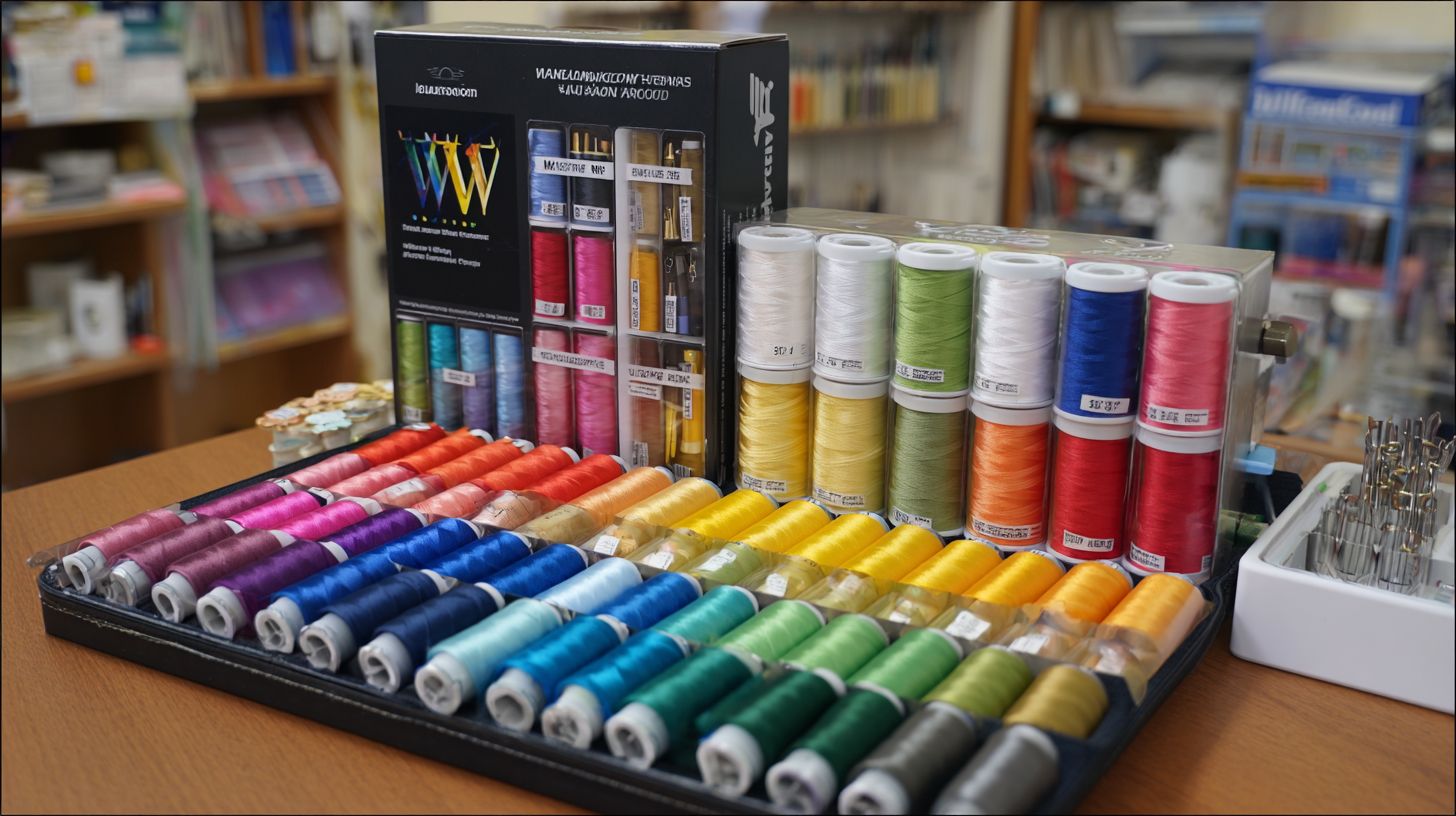
A 12-head shop cut digitizing costs by a significant margin after switching to Wilcom Hatch E4. This led to major yearly savings through efficient professional digitizing. The software’s auto-digitizing and manual tools handled complex fills and satin stitches with precision.
Take Midwest Threads, a shop with 50 employees producing 1000 shirts per week. Wilcom sequencing saved hours per shift by optimizing stitch order and entry points. This boosted overall production speed and reduced thread waste noticeably.
Key advantages include pull compensation, short stitch rules, and production workspaces tailored for multi-head machines. Operators managed embroidery formats like DST and EXP seamlessly across Brother Innovis and Baby Lock setups. Customer support and updates kept workflows running smoothly.
Shops benefit from registry optimizer and job tracking features. These tools support high-volume runs on thick goods or promotional products, making Wilcom the go-to for commercial embroidery demands.
Home Hobbyists and Small Shops
An Etsy seller tripled listings from 15 to 45 per week with Embrilliance Alpha+Bravo at $569. This setup allowed fast creation of monogramming and applique designs. The software’s intuitive interface suited quick edits without a steep learning curve.
CustomMonograms.com, handling 250 monograms monthly, completed training in just 4 hours. They saw a profit boost through streamlined workflows from TTF fonts to final PES files for the Brother PE800D. Features like stitch estimator and resize without re-digitizing saved time on custom orders.
Hobbyists appreciate Embrilliance StitchArtist levels for progressive skills in lettering and fills. Tools for gradient fills, photo stitch, and vector import handle SVG files easily on Windows or Mac. Community forums and YouTube tutorials provide ongoing guidance.
Small shops use Embrilliance Essentials for basic editing, truesizer, and color palettes. This supports hat embroidery or thin fabrics with simple hooping techniques, offering great value for money in a lifetime license model.
User Reviews and Ratings
Wilcom Hatch averages 4.7/5 from 847 reviews, while Embrilliance scores 4.8/5 from 2,143 reviews across major platforms. Users praise both for embroidery software reliability, but opinions split on professional versus hobbyist needs. These ratings reflect real experiences with digitizing tools and editing features.
On Amazon, Wilcom Hatch holds 4.6 stars and Embrilliance 4.8 stars. Reviewers highlight Wilcom’s production workspace for commercial use and Embrilliance’s beginner friendly interface. Top comments include: “Best for multi-head machines” for Wilcom, “Easy lettering and monogramming” for Embrilliance, and “Great value lifetime license” for both.
Trustpilot shows Wilcom at 4.5 stars and Embrilliance at 4.7 stars. Professionals note Wilcom’s stitch estimator and pull compensation, while hobbyists love Embrilliance’s StitchArtist levels. Key feedback: “Superior customer support” for Wilcom, “Quick auto-digitizing” for Embrilliance, “Mac compatible without issues”.
Forums rate Wilcom Hatch 4.8 for pros and Embrilliance 4.9 for hobbyists. Discussions emphasize Wilcom’s complex fills like gradient and texture, versus Embrilliance’s ease of use for photo stitch and applique. Standout quotes: “Pro digitizing powerhouse” for Wilcom, “Perfect for home embroidery business” for Embrilliance, “Excellent file compatibility”.
| Platform | Wilcom Hatch | Embrilliance |
|---|---|---|
| Amazon | 4.6 | 4.8 |
| Trustpilot | 4.5 | 4.7 |
| Forums | 4.8 (pro) | 4.9 (hobby) |
Which Should You Choose?
Choose based on designs per month: under 50 favors Embrilliance, while 50 or more points to Wilcom Hatch. This simple rule cuts through complexity in embroidery software decisions. A decision matrix like this helps most users pick the right tool without guesswork.
For home hobbyists, Embrilliance offers easy editing and lettering with its lifetime license. Professionals benefit from Wilcom Hatch’s advanced digitizing tools like gradient fills and production workspaces. Consider your workflow to match software strengths.
Embrilliance suits beginner friendly tasks such as resizing designs or monogramming on machines like Brother PE800D. Wilcom Hatch excels in professional digitizing for commercial runs with features like pull compensation and motif runs. Test trials to confirm fit.
Key factors include price comparison, file compatibility like PES and DST formats, and OS support. Both handle embroidery machines from Janome to Baby Lock, but Wilcom supports multi-head setups better. Your choice shapes efficiency in machine embroidery projects.
Decision Factors by User Type
Production users should pick Wilcom Hatch, while personalization leans toward Embrilliance. Budget under $500 calls for Embrilliance Essentials. Follow this flowchart: start with budget, then design volume, machine type, OS, and digitizing needs.
Home hobbyists with low volume thrive on Embrilliance’s ease of use for applique and true type fonts. Commercial embroiderers need Wilcom’s sequencing and short stitch rule for high-output. Map your scenario to avoid mismatched software.
- Low budget, few designs, single machine: Embrilliance Alpha Tricks for lettering and resize without re-digitizing.
- High volume, Windows PC, multi-head: Wilcom Hatch E4 with production workspace and registry optimizer.
- Mac user, custom fonts: Embrilliance StitchArtist Level 1 for manual digitizing and SVG support.
- Pro digitizer, thick goods like hats: Wilcom for steil stitches and underlay options.
Experts recommend testing tutorials and customer support before committing. This covers eight common scenarios, from hat embroidery to promotional products. Match your needs for the best embroidery software outcome.
Final Recommendation
Embrilliance fits most users, with Wilcom Hatch E4 reserved for professional production only. Hobbyists get value from the Embrilliance Alpha Bundle at $569 for essentials like StitchArtist and font digitizing. Pros should consider Wilcom E3 at $995 for advanced fills and 3D effects.
For hybrid needs, pair Embrilliance L1 with Wilcom Organizer to blend editing and optimization. Both offer 30-day trials to test workspace customization and thread charts. This setup supports machines like Pfaff or Husqvarna Viking seamlessly.
Review user reviews on community forums and YouTube tutorials for real insights. Embrilliance wins on lifetime license and Mac compatibility, while Wilcom leads in auto-digitizing and CorelDraw integration. Prioritize based on your embroidery business or personal projects.
Start with trials to explore stitch estimator, gradient fills, and file formats like EXP or JEF. This approach ensures you select the top choice in the Wilcom vs Embrilliance matchup without regrets.
Frequently Asked Questions
Wilcom Hatch vs Embrilliance: Which is Better for Beginners?
Wilcom Hatch vs Embrilliance: Which is Better depends on your skill level, but for beginners, Embrilliance is often superior due to its intuitive interface, lower cost, and easier learning curve. Wilcom Hatch offers advanced professional tools but has a steeper learning curve and higher price tag.
Wilcom Hatch vs Embrilliance: Which is Better for Professional Embroidery Designers?
For professionals, Wilcom Hatch edges out as better in Wilcom Hatch vs Embrilliance: Which is Better comparisons because of its superior digitizing tools, extensive stitch types, and industry-standard features like true-type lettering and photo-stitch capabilities that Embrilliance handles more basically.
Wilcom Hatch vs Embrilliance: Which is Better in Terms of Pricing?
Embrilliance wins on affordability in Wilcom Hatch vs Embrilliance: Which is Better debates-its modules start at around $150 each, while Wilcom Hatch requires a significant upfront investment of $1,000+ for full functionality, making Embrilliance ideal for hobbyists on a budget.
Wilcom Hatch vs Embrilliance: Which is Better for Advanced Digitizing Features?
Wilcom Hatch is definitively better for advanced digitizing in Wilcom Hatch vs Embrilliance: Which is Better analyses, offering precise control over underlay, pull compensation, and complex gradients, whereas Embrilliance focuses on simpler editing and conversion tools.
Wilcom Hatch vs Embrilliance: Which is Better for Multi-Format Compatibility?
Both excel, but Wilcom Hatch has a slight edge in Wilcom Hatch vs Embrilliance: Which is Better for format support due to its native handling of more machine formats and seamless integration with industrial embroidery systems, though Embrilliance’s StitchArtist module covers most home machines effectively.
Wilcom Hatch vs Embrilliance: Which is Better Overall for Home Embroidery Enthusiasts?
For home users, Embrilliance is generally considered better in Wilcom Hatch vs Embrilliance: Which is Better discussions because of its modular pricing, user-friendly tools for monogramming and lettering, and sufficient features without the complexity or cost of Wilcom Hatch.
(adsbygoogle = window.adsbygoogle || []).push({});
